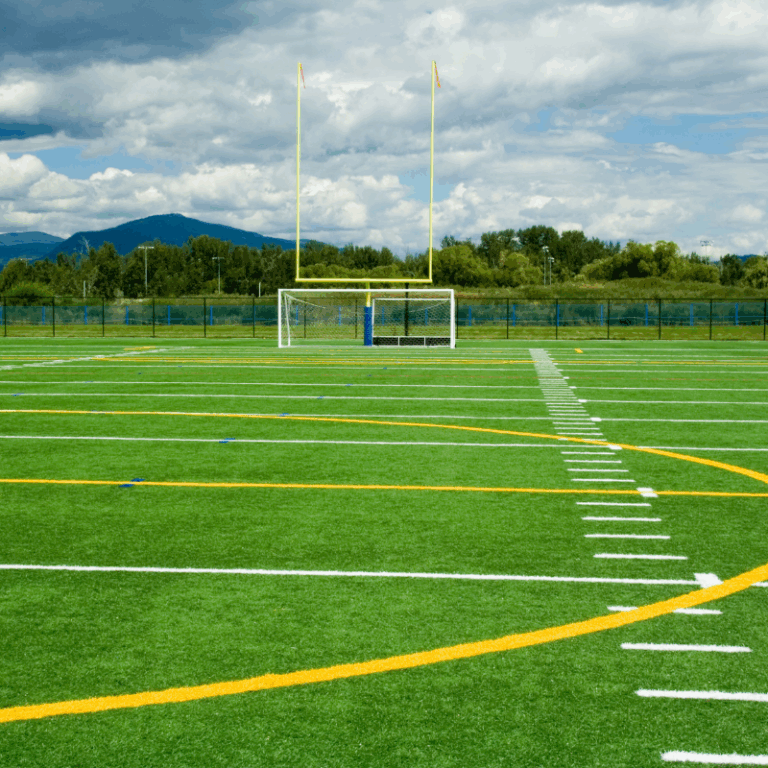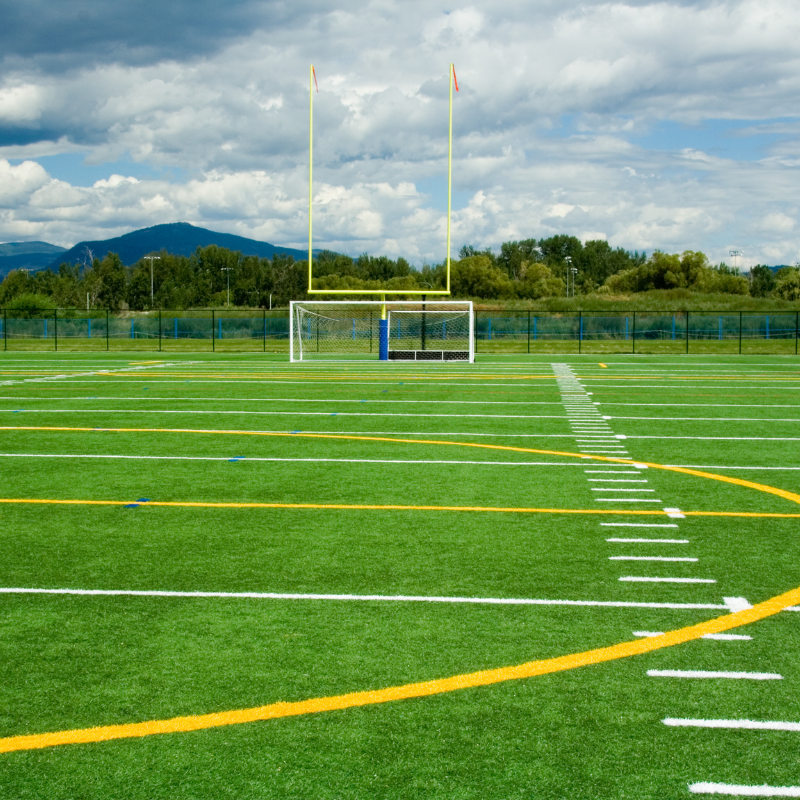
The Payson School Board is trying to decide if they should spend $1.7 million to put artificial turf (fake grass) on the high school football field.
Right now, the field has real grass, but it’s old, worn out, and full of holes, which makes it unsafe for players. Fixing it with new real grass would cost around $400,000. But that grass would still need a lot of care and might wear out quickly again.
Fake grass is more expensive at first, but it could last about seven years, look nicer, help prevent injuries, and be used for more sports like soccer and marching band. It also wouldn’t need as much water or mowing.
The problem? The school doesn’t have enough money. They’re waiting to hear if they can get a special $2 million loan from the state with low interest. That loan would include a $60,000 bonus, but they’d still have to find a way to pay back about $160,000 every year, which is hard with a tight school budget.
They already have $1 million saved from a past project where they put solar panels on parking lots. But even with that money and the loan, they might still need about $700,000 more. The board talked about asking parents and the community to donate or help pay for the rest.
Only two companies even gave bids (offers) to fix the field with new grass. One didn’t qualify. The other was so expensive it made the fake grass option seem like a better deal.
Right now, the school only has one field, and it gets used a lot. The grass gets torn up from games and practices, and it’s not good for other sports like soccer.
One board member, Audrey Hogue, suggested local workers might volunteer to help for free to save money. But the superintendent, Linda Gibson, said it would be tricky to include donated work in the official plans.
There’s also a fancy new turf field at Granite Dells Park, thanks to the MHA Foundation. The high school team can practice there for free, but getting the team there every day by bus would be tough.
Board President Katy Taylor said maybe the district could raise $100,000 a year from donations, which would help make loan payments smaller. She also said replacing the grass was a “waste of money.”
There’s also a plan to spend $600,000 to put in new, brighter lights that would save energy and let more sports use the field.
In the end, the board decided to wait and see if they get the grant before making a final decision. But even if they get it, they still don’t know how they’ll cover the rest of the yearly payments. Another option is to ask voters to approve a new property tax to pay for the field when an old one ends.
About the Author